Golden Spirit of the Wild
A Seasonal Embroidery Designer’s First Look
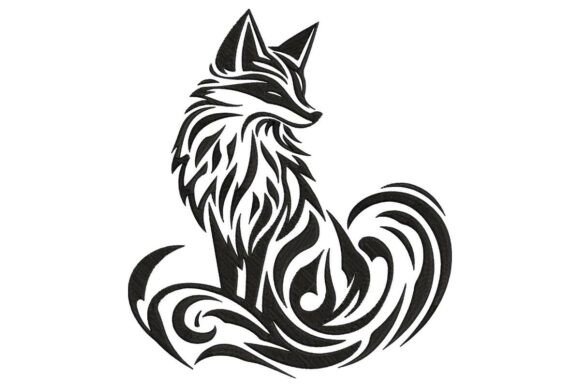
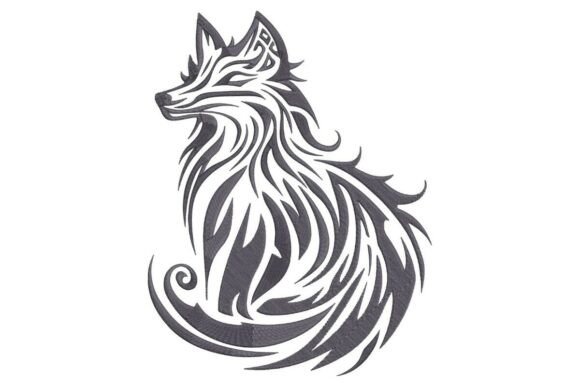
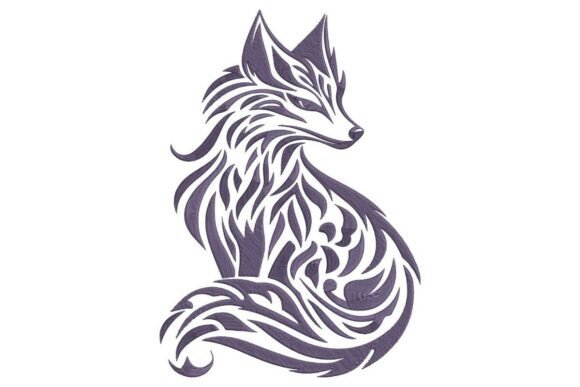
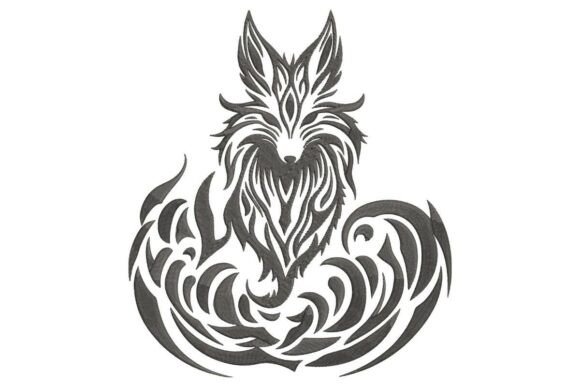
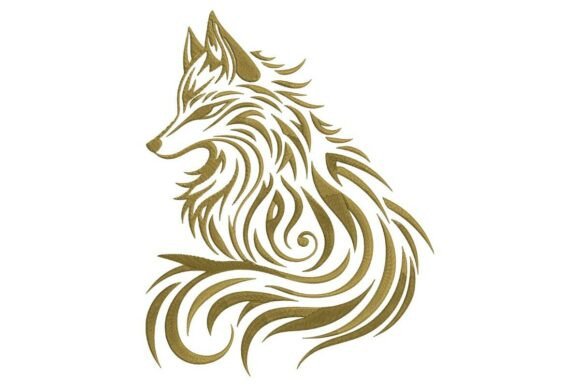
When I opened Golden Spirit of the Wild for the first time, I felt that quiet spark—the kind that tells you a design has real seasonal legs. It’s not just another fox or wolf motif. This is an elegant and mystical illustration rendered in bold tribal tattoo style: a graceful wild canine sitting calmly, looking over its shoulder with quiet intensity. The composition feels intentional, grounded, and deeply evocative—like a whispered story from the forest at dusk. It carries a premium, spiritual tone—not overly playful or cartoonish, but warm, wise, and quietly festive. That balance makes it ideal for holiday embroidery that avoids cliché while still resonating emotionally with shoppers seeking meaning, beauty, and connection.
Why It Fits Holiday & Seasonal Product Collections
Golden Spirit of the Wild works across multiple high-demand categories without needing heavy adaptation. On sweatshirt embroidery, it reads as cozy yet refined—perfect for family matching sets during Thanksgiving through New Year’s. As a tote bag design, it adds rustic elegance to gift-ready shopping bags or artisan market displays. For kitchen towel embroidery, its strong lines hold up beautifully against textured cotton—weave it into farmhouse-style bundles or holiday hostess gifts. Pillow covers gain instant warmth and character; embroidered patches made from this machine embroidery design become collectible accents on denim jackets or winter scarves.
I’ve used Golden Spirit of the Wild in limited edition apparel drops and seen it convert well on Etsy listings—especially when paired with natural fiber descriptions (“organic cotton,” “linen blend”) and mood-driven titles like “Winter Forest Gift Set.” Its visual recognition is strong: clean silhouette, balanced negative space, and symbolic weight help it stand out in crowded social media previews and printable mockups. Customers trust products featuring designs like this—they signal care, craftsmanship, and intentionality. That builds brand consistency across small shop product lines, whether you’re selling personalized gifts for pet lovers or curated home decor collections.
Where to Use It Thoughtfully
While versatile, Golden Spirit of the Wild demands thoughtful placement. Avoid tiny hoop sizes (under 4” diameter) where fine tribal linework may blur or lose definition. Don’t place it on stretchy garments like ribbed knit baby onesies unless you’ve tested stabilizer combinations thoroughly—this is a design that relies on crisp line integrity. Thick towels or dense terry cloth require extra stabilization to prevent puckering around the animal’s flowing contours. Dark fabric? Absolutely viable—but test thread colors carefully: gold metallics pop, but matte charcoal or deep rust tones often read richer and more cohesive than bright yellow-gold on black.
Be cautious with curved caps or tight seams—the sitting pose flows naturally on flat surfaces like pillow covers or aprons, but distorts easily on highly contoured items. And if you’re planning repeated washing (think embroidered table linens or kids’ aprons), confirm stitch density isn’t so high that it stiffens fabric or risks fraying over time. Metallic thread adds magic but can snag or tarnish—reserve it for low-wear items like ornaments or framed wall art.
Design Notes Every Embroidery Seller Should Follow
- Test thread colors on both light and dark fabric—what reads as warm gold on cream may look brassy on navy. Try matte metallics or tonal cottons for subtlety.
- Check stitch density before production. Tribal styles often layer outlines and fills; too much density = stiff, bulky results on soft fabrics like baby blankets.
- Confirm hoop size compatibility with your target products—many sellers default to 5x7”, but verify the full design fits comfortably within that frame, especially with shoulder-look details.
- Use proper stabilizer: medium-weight cutaway for knits, tear-away for stable wovens like linen or quilting cotton. Skip lightweight fusibles—they won’t support the bold line work.
- Create realistic mockups using actual fabric swatches, not just white backgrounds. A printable mockup looks great online, but seeing how the design drapes on a textured kitchen towel changes everything.
- Review small details after stitching: tribal motifs rely on consistent line weight. Check that inner markings—like subtle feathering along the tail or ear edges—aren’t lost in stitching.
- Plan matching color palettes across your seasonal collection: think amber, slate, moss, and cream—not just gold-on-black. These tones reinforce cohesion in gift bundles and holiday catalogs.
- Confirm commercial licensing before selling finished seasonal products. If you’re sourcing this digital embroidery file from a third party, ensure it permits resale of embroidered goods—not just personal use.
Emotional Impact & Holiday Buyer Behavior
Holiday shoppers don’t just buy products—they buy feeling. Golden Spirit of the Wild taps into nostalgia, reverence for nature, and quiet strength. It appeals to customers who value handmade gifts over mass-produced items, and who see embroidery as heirloom-worthy. That emotional resonance lifts perceived product value: a $28 embroidered pillow cover becomes a meaningful keepsake; a $42 sweatshirt transforms into a cherished family tradition piece.
It also supports storytelling across platforms. On Instagram, pair it with forest-themed reels or slow-motion stitch videos. In email campaigns, anchor it in themes like “Wild Winter Warmth” or “Spirit of the Season.” Because it belongs to the Wild Animals category—and sits firmly in Embroidery—it attracts search traffic year-round, but peaks during October–January when terms like “holiday embroidery,” “seasonal embroidery,” and “personalized gift” surge.
Final Thoughts for Small Business Creators
If you’re curating a holiday collection for craft fairs, Etsy, or local boutiques, Golden Spirit of the Wild is more than a design—it’s a strategic asset. It bridges rustic charm and modern minimalism, appeals across age groups, and scales elegantly from tiny patches to large-scale pillow covers. It invites customization (add names, dates, or coordinating florals) without compromising its core mystique. Most importantly, it feels authentic—not trend-chasing, but timeless.
For embroidery sellers and handmade gift makers, this is the kind of machine embroidery design that earns repeat customers, drives social shares, and builds long-term brand recognition. Just remember: respect its structure, honor its texture, test thoughtfully, and let its golden spirit shine—not just in thread, but in intention.