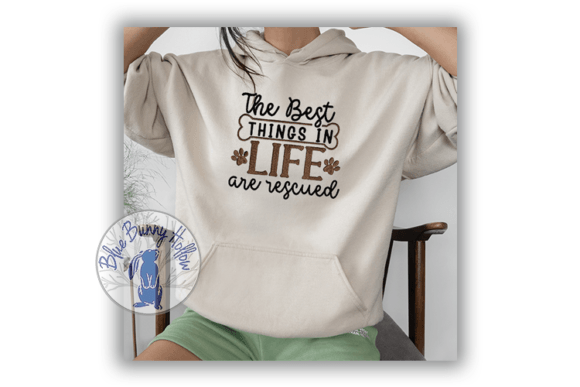
The Best Things in Life Are Rescued
A Thoughtful Embroidery Design Review for Small Business Merchandise
As an embroidery designer who’s developed hundreds of commercial designs for cafés, boutiques, pet brands, and handmade studios, I approached The Best Things in Life Are Rescued with both creative curiosity and practical scrutiny. This isn’t just another dog-themed motif—it’s a brand-aligned statement piece that carries emotional resonance while needing to hold up under real-world production demands. From the title alone, it signals warmth, authenticity, and purpose—qualities small businesses increasingly rely on to build trust and connection.
First Impression: Friendly, Heartfelt, and Professionally Approachable
The Best Things in Life Are Rescued reads as intentionally gentle—not overly rustic, not aggressively modern, but grounded in sincerity. It avoids cliché while embracing sentiment, making it ideal for businesses that value storytelling over flash. For a florist adding charm to staff aprons, a pet-friendly bakery branding tote bags, or a rescue-focused nonprofit creating embroidered patches for volunteers, this design feels like a natural extension of voice—not an afterthought.
Real-World Performance Across Merchandise Applications
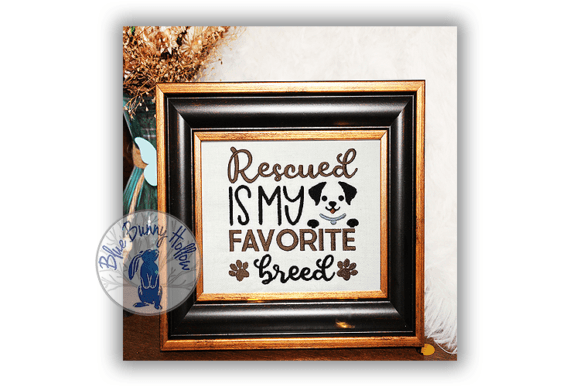
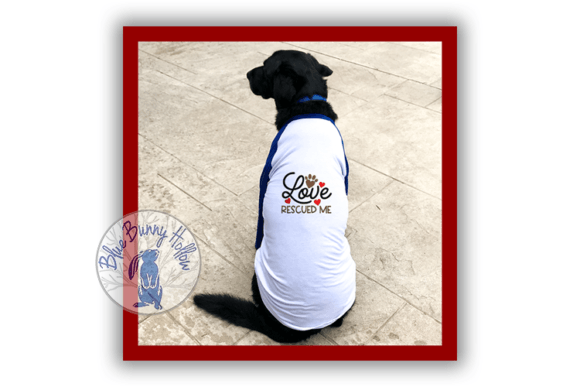
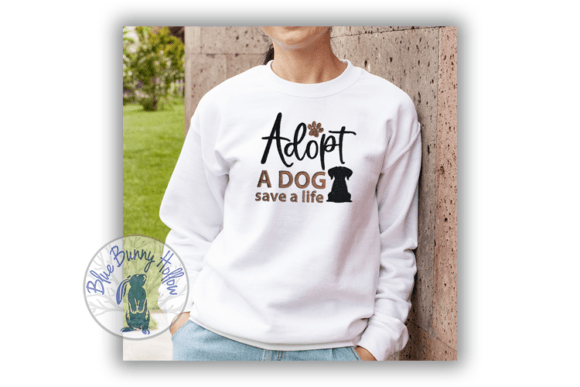
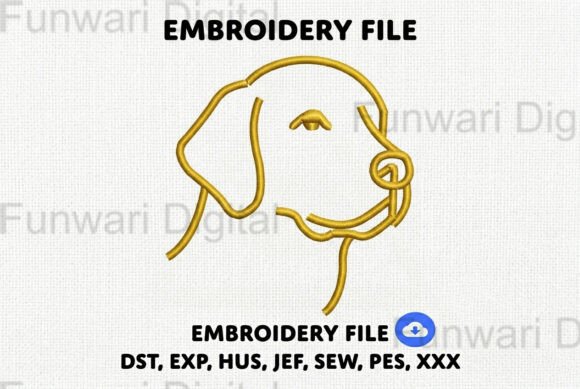
In practice, The Best Things in Life Are Rescued shines most consistently as an embroidered patch, especially when applied to denim jackets, canvas totes, or uniform lapels. Its phrasing flows well at 2.5–4 inches wide, balancing readability with visual weight. As a chest logo on staff uniforms or apron embroidery, it communicates mission without overwhelming—particularly effective when paired with a subtle silhouette (e.g., a sitting dog outline) included in the full machine embroidery design.
For cap embroidery, placement matters: center-front works best on structured caps with flat front panels; avoid low-profile curved crowns unless the design has been simplified for reduced stitch density. On tote bag design, it holds attention at medium scale—ideal for boutique checkout counters or event merch tables where customers pause and engage. As a sleeve detail or tag accent on handmade product packaging, it adds quiet credibility: proof that your brand cares about values, not just visuals.
It also translates well into printable mockups for Etsy sellers and digital embroidery file buyers—especially when presented alongside lifestyle shots of coffee mugs, bandanas, or reusable shopping bags. That versatility makes it a strong candidate for inclusion in curated design asset bundles aimed at craft business owners.
Where to Use The Best Things in Life Are Rescued With Intention
This design isn’t universally scalable. At sub-1.75-inch patch sizes, letter spacing tightens and legibility suffers—especially if the original file includes fine serifs or delicate line work. Avoid placing it on high-curve surfaces like baseball cap brims or tightly fitted sleeves without testing first. Dark uniforms demand careful thread color selection: cream or heather gray thread may disappear on charcoal fabric, so always test contrast before bulk production.
Also consider stabilizer choice. If your small business merch includes textured fabrics—like linen aprons, burlap tote bags, or brushed cotton tees—use cutaway or tear-away stabilizer to prevent puckering around text-heavy areas. High stitch density near word endings (e.g., “Rescued”) can cause stiffness on lightweight garments; review the file’s fill vs. satin stitch balance before digitizing for production.
How It Strengthens Brand Identity and Customer Connection
When used intentionally, The Best Things in Life Are Rescued does more than decorate—it deepens brand identity. For pet brands, it reinforces empathy and advocacy. For cafés and studios, it subtly signals community values and social awareness—traits that resonate strongly with today’s conscious consumers. Unlike generic paw prints or cartoon dogs, this phrase invites conversation, builds recognition through repetition, and elevates perceived product value.
Customers notice consistency: seeing the same thoughtful phrase across aprons, tote bags, and thank-you tags tells them your business operates with intention. That cohesion supports visual consistency across touchpoints and increases buyer engagement—especially among repeat shoppers who associate the phrase with quality, care, and authenticity.
Practical Embroidery Designer Notes for Commercial Use
Before launching The Best Things in Life Are Rescued into your next round of custom apparel or small business merch, follow these field-tested steps:
- Test the digital embroidery file in black and white first—this reveals spacing issues, overlapping letters, and unintended gaps.
- Check how it renders at your smallest intended hoop size; many files look great at 4” but collapse at 1.5”.
- Review thread colors against your base fabric swatches—not screen previews. Lighting changes everything.
- Inspect kerning and line breaks: Does “Rescued” sit cleanly beneath “The Best Things in Life Are”? Poor alignment undermines professionalism.
- Always sew a physical sample on your target fabric texture—especially for apron embroidery or cap embroidery where drape and tension vary widely.
- Use appropriate stabilizer for each application: cutaway for knits, tear-away for stable wovens, fusible for lightweight linens.
- Create a polished printable mockup for client approval—show it on three realistic contexts (e.g., tote bag + apron + cap) to confirm visual harmony with existing design assets.
- Compare it beside your other core logos or slogans—does it complement, or compete? Consistency strengthens recall.
- Confirm commercial licensing before use—especially if selling finished products or offering the design as part of a branded collection.
Remember: The Best Things in Life Are Rescued is more than a machine embroidery design. It’s a values-driven asset—one that, when executed with care, helps small businesses communicate heart, humanity, and craftsmanship in every stitch.