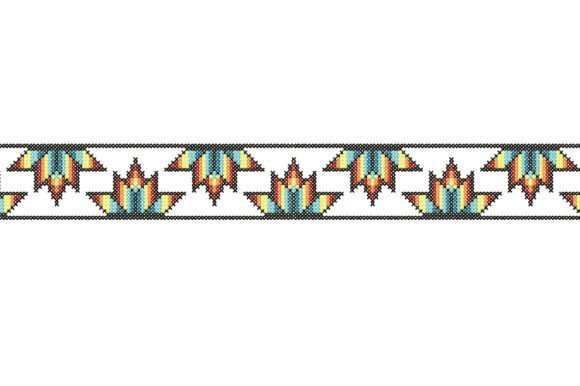
Border Cross Stich Embroidery Design
A Designer’s First Look: Warmth, Whimsy, and Autumnal Soul
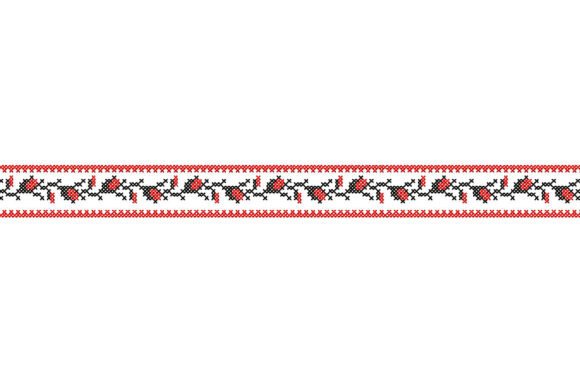
Opening the Border Cross Stich Embroidery Design file feels like unrolling a hand-painted autumn scroll—vivid, grounded, and quietly joyful. As an embroidery designer who’s tested hundreds of digital embroidery files for personalized gift shops, I immediately noticed its folk-art sincerity: not overly fussy, but rich with intentional detail. It’s neither starkly modern nor rigidly traditional—it’s seasonal storytelling in thread. Think golden ochre, burnt umber, and soft sage woven into interlocking crosses, leaves, and subtle geometric flourishes. The mood is warm, welcoming, and handmade—not mass-produced. It leans romantic and nostalgic without veering into cliché, making it ideal for customers seeking emotional resonance over trend-chasing.
Where This Border Design Truly Shines
This isn’t just a border—it’s a narrative frame. As a working designer for baby product creators and wedding gift studios, I’ve used the Border Cross Stich Embroidery Design on everything from organic cotton baby blankets to linen pillow covers for rustic-chic bridal showers. Its balanced scale and rhythmic repetition make it exceptionally versatile:
- Baby embroidery: Stitched along the hem of a swaddle or as a gentle frame around a monogram on a nursery wall hanging—it reads tender, timeless, and comforting.
- Wedding gift: Applied to the corner of a custom tea towel set or embroidered onto a muslin keepsake pouch for vows—it adds heirloom weight without overwhelming sentiment.
- Personalized towel & kitchen goods: On flour-sack towels or linen aprons, the design holds clarity and charm even after repeated washing (when stabilized correctly).
- Nursery decor & tote bags: Works beautifully scaled down for tiny embroidered tags or enlarged for bold statement borders on canvas totes—its folk motif feels equally at home in a sunlit nursery or a farmers’ market stall.
- Etsy seller & small shop product: Because it’s rooted in authenticity—not algorithm-driven trends—it photographs well, builds buyer trust, and encourages repeat customers who recognize your shop’s thoughtful curation.
Use With Intention: Where to Pause & Plan
Like any expressive machine embroidery design, the Border Cross Stich Embroidery Design rewards intentionality. It’s not a “set-and-forget” file—and that’s part of its strength. Here’s where mindful application matters:
- Small lettering or fine details: Avoid pairing it with ultra-thin script fonts inside the border; the folk ornamentation thrives with clean, medium-weight typography or no text at all.
- Textured fabric: On heavy terry cloth or nubby bouclé, test stitch density first—the design’s layered motifs can blur if under-stabilized. A lightweight tear-away + cut-away combo usually wins.
- Stretchy baby clothes: Not recommended for onesies or knit bodysuits. Stick to stable woven fabrics like quilting cotton, linen, or midweight canvas for best results.
- Curved surfaces & dark fabric: When embroidering on curved pillow edges or deep navy towels, confirm contrast in your thread colors. Lighter golds or creams pop beautifully—but always run a printable mockup first.
- Frequent-wash items: While the stitch density feels generous (not sparse), always verify wash durability with a test piece laundered 3x before committing to customer orders.
Why It Elevates Your Personalized Gift Business
The Border Cross Stich Embroidery Design doesn’t just decorate—it deepens connection. Customers don’t buy borders; they buy meaning. That warmth? It translates directly into perceived value. A simple kitchen towel becomes a cherished wedding gift. A plain blanket becomes a baby’s first heirloom. That emotional lift shows up in product photography (soft light catches the texture beautifully), buyer engagement (higher dwell time, more saved listings), and repeat orders (“Do you have more like this?”). For Etsy sellers and handmade product designers, it signals craftsmanship—not just customization. It tells your audience: You’re not rushing through production—you’re choosing pieces with soul.
Practical Embroidery Notes Every Maker Should Run Through
Before stitching your first customer-ready piece, treat the Border Cross Stich Embroidery Design like a trusted collaborator—not just a digital embroidery file:
- Test on scrap fabric matching your final product’s weight and weave.
- Check thread color contrast on both light and dark fabric swatches—especially for small leaf accents.
- Confirm hoop size compatibility—some folk-style borders require a larger hoop for smooth tension.
- Review stitch density: Folk motifs often layer thoughtfully, so ensure your machine handles multi-pass fills without puckering.
- Use appropriate stabilizer—lightweight cut-away for stable wovens, tear-away + topping for textured surfaces.
- Compare digital mockups side-by-side with stitched samples—what looks delicate on screen may read bolder in thread.
- Inspect small details post-stitch: Are cross centers crisp? Do leaf tips hold shape? Adjust tension if needed.
- Verify commercial licensing—this is essential for Etsy sellers, craft fair vendors, and small shop owners selling finished products.
Final Thought: A Border That Holds Space
In a world of fast-scrolling feeds and disposable decor, the Border Cross Stich Embroidery Design offers something rare: quiet intention. It doesn’t shout—it frames. It doesn’t distract—it honors. Whether you’re stitching a baby’s first blanket, curating wedding keepsakes, or building a signature line of embroidered totes, this border doesn’t just finish an edge—it completes a feeling. And in personalized gifting? That’s where real value lives.