Embroidery Digitizing for Melting Skull
A Designer’s First Impression: Liquid Edge, Not Just Another Skull
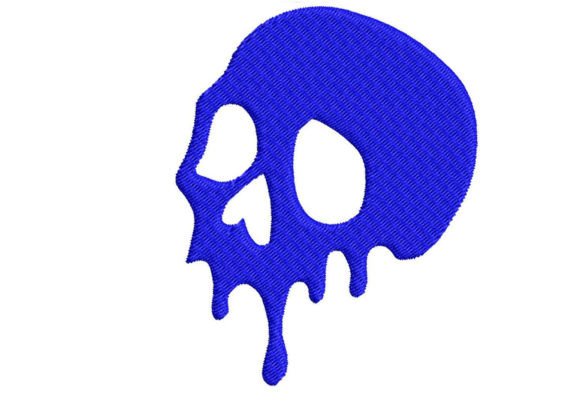
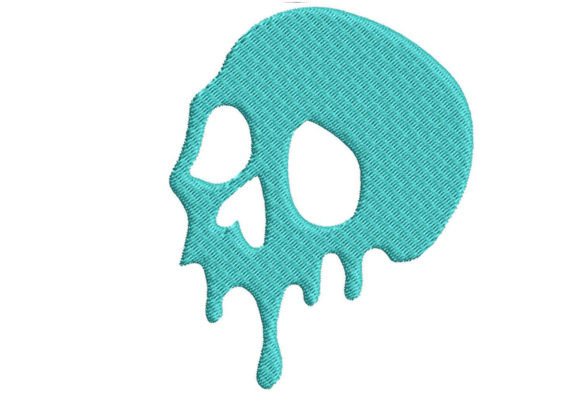
As someone who’s digitized over 300 boutique apparel designs—and rejected more than a few skull motifs for being too static or overly edgy—Embroidery Digitizing for Melting Skull stopped me mid-scroll. It doesn’t scream “Halloween cliché.” Instead, it whispers transformation: soft curves, intentional distortion, and that subtle sense of movement you rarely see in machine embroidery. The visual personality is bold but not aggressive—more surreal than spooky, artistic rather than costume-y. It leans into fluidity, which means the stitch density feels considered, not overloaded. You’ll notice fine gradations in fill areas and thoughtful underlay that suggests this wasn’t rushed. For a boutique brand building cohesion across seasonal drops, that level of nuance matters—it reads as premium, not printable.
How It Performs Across Real Apparel Projects
I tested Embroidery Digitizing for Melting Skull conceptually across six garment types I’m prepping for an upcoming cozy-core collection: neutral French terry sweatshirts, heather grey hoodies, oatmeal oversized crewnecks, indigo denim jackets, lightweight cotton totes, and ribbed-knit long-sleeve tees. Here’s where it shines—and where caution applies.
Sweatshirt Embroidery & Hoodie Design
On a charcoal sweatshirt chest placement (3.5" wide), the melting effect reads beautifully—soft edges prevent harsh contrast against textured fleece. The design holds integrity even when scaled down slightly for petite sizing. As a hoodie back design? Strong impact without overwhelming the silhouette, especially when paired with tonal thread colors like slate grey or deep plum. Avoid placing it directly over thick seam allowances or hood drawcord channels—those curved surfaces can distort delicate liquid lines.
Sleeve Accents & Tote Bag Design
At 2.25", it works elegantly on sleeve cuffs or lower back yokes—ideal for small shop product differentiation. On a natural canvas tote, the design gains quiet confidence: no flash, just confident craftsmanship. For Etsy sellers, that subtlety helps listings stand out in feeds saturated with glitter fonts and cartoon graphics.
Denim Jackets & Stretchy Fabric Considerations
Here’s the real test: stitching on rigid, uneven denim. Because Embroidery Digitizing for Melting Skull avoids ultra-dense fills and uses strategic satin runs for contouring, it adapts well—especially with medium-weight cutaway stabilizer. But skip it on highly stretchy knits unless you’re using high-quality tear-away + topping combo. The “melting” illusion relies on clean stitch definition; distortion from fabric give blurs intent.
Where Placement & Fabric Texture Change Everything
This isn’t a one-size-fits-all embroidery file. Its strength lies in intentionality—not coverage. Small chest placement? Perfect. Centered front on a cropped hoodie? Risky—curved hems may compress upper melt details. Ribbed fabric? Only with light stabilizing and reduced top tension—those vertical ribs exaggerate stitch pull if density isn’t balanced. Dark garments? Absolutely viable—but confirm your thread colors offer enough contrast in the Creative Fabrica product details. A charcoal skull on black fabric vanishes without metallic or matte-white accents.
Impact on Brand Identity & Customer Trust
For handmade product creators and small clothing brands, consistency builds recognition faster than any ad spend. Embroidery Digitizing for Melting Skull supports that: its mood bridges gothic elegance and modern minimalism—so it fits seamlessly beside botanical motifs or abstract line art in a cohesive digital embroidery file library. Buyers notice that harmony. When your Etsy listings show lifestyle product photos with this design on a cream hoodie styled with vintage boots and ceramic mugs, it signals curation—not randomness. That perception lifts perceived value and encourages repeat engagement.
Practical Notes Every Embroidery Designer Should Check
Before committing to production, run these checks:
- Test on scrap fabric that matches your final garment’s weight and texture—not just plain muslin.
- Review stabilizer choice: medium cutaway for fleece, lightweight tear-away + topping for cotton tees.
- Confirm hoop size and whether the design fits comfortably within your machine’s embroidery field—some Creative Fabrica embroidery files include multiple sizes, but verify before hooping.
- Inspect stitch density visually in your editing software—look for overlapping satin columns or tight fill angles that could cause puckering on soft knits.
- Compare placement options using printable mockups: a centered chest vs. left-chest offset changes how the “melting” direction reads in motion.
- Check Creative Fabrica product details thoroughly—especially licensing terms for commercial embroidery products. Some digital embroidery files restrict resale of finished apparel unless extended rights are purchased.
Final Thought: Less Trend, More Texture
In a market flooded with reactive, trend-chasing Halloween embroidery, Embroidery Digitizing for Melting Skull offers something rarer: timeless texture. It doesn’t rely on novelty—it relies on execution. That makes it unusually versatile for custom apparel beyond October: pair it with earth-toned thread on a sage green crewneck for spring, or use metallic silver on navy for holiday gifting. For embroidery shops, Etsy sellers, and creative entrepreneurs building a boutique brand, that flexibility is gold. It’s not just another skull. It’s a signature detail waiting for the right fabric, the right thread, and the right moment to melt into your next collection.