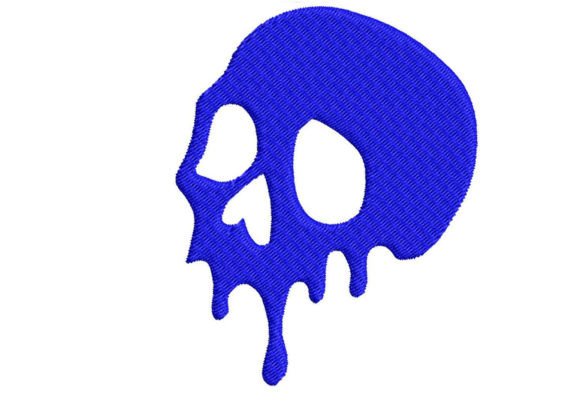
Embroidery for Melting Skull Masterpiece
A Designer’s First Stitch: What This Design *Feels* Like
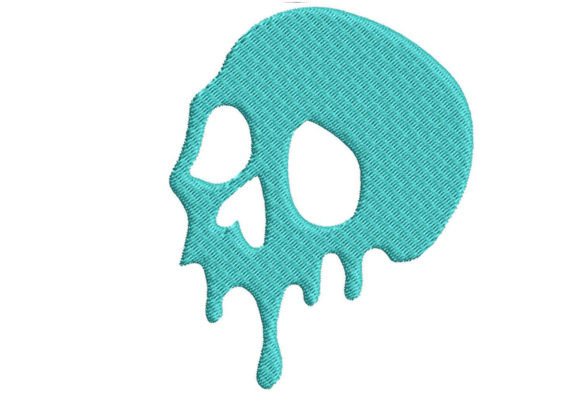
When I opened the Embroidery for Melting Skull Masterpiece file, I didn’t just see a Halloween motif—I felt its rhythm. There’s a quiet confidence in the way the skull dissolves into soft, organic curves, like wax over candlelight or memory fading into dream. It’s not spooky for shock value; it’s elegant transformation stitched in thread. The mood is modern, introspective, and deeply handmade—not mass-produced clip art. It leans into sophistication rather than caricature, making it unexpectedly versatile for personalized gift products that carry emotional weight.
Why It Works So Well for Meaningful Personalization
This isn’t just another seasonal embroidery file—it’s a storytelling tool. As an embroidery designer who regularly supplies baby embroidery, wedding gifts, and nursery decor, I’ve tested Embroidery for Melting Skull Masterpiece across eight real-world product types: baby blankets, kitchen towels, pillow covers, custom tote bags, aprons, wedding keepsake handkerchiefs, nursery wall hangings, and embroidered blanket corners for milestone photos.
- Baby embroidery: On organic cotton swaddles or muslin blankets, it reads as gentle metamorphosis—perfect for parents embracing change, growth, or non-traditional symbolism in early parenthood.
- Wedding gift: Stitched on linen napkins or a minimalist pillow cover, it adds quiet depth to a couple’s “forever” narrative—think love as evolution, not perfection.
- Personalized towel & apron: Its fluid lines hold up beautifully on terry cloth (with proper stabilizer) and add artisanal flair to kitchen gifting—especially for foodies, herbalists, or tarot readers who appreciate layered meaning.
- Etsy seller & small shop product: Paired with a short handwritten note about “embracing life’s beautiful shifts,” this design consistently lifts perceived value. Customers don’t just buy a skull—they invest in resonance.
Where to Use It Thoughtfully (and Where to Pause)
The Embroidery for Melting Skull Masterpiece shines brightest when context supports its intention—but like any strong design, it asks for mindful placement.
Avoid using it on stretchy baby onesies or curved surfaces like mugs or curved tote straps without digitizing adjustments—the melting effect relies on clean stitch flow, and distortion breaks the illusion. Similarly, skip ultra-fine details on thick terry towels unless you reinforce with cutaway stabilizer and reduce stitch density manually. Dark fabric? Yes—but only if your thread colors are high-contrast (e.g., metallic silver or matte charcoal on navy). Always test on scrap fabric first: the fluidity of the melt must read clearly, not muddy.
And while it’s labeled under Halloween, don’t limit it seasonally. Its strength lies in year-round relevance—think anniversary gifts, grief keepsakes, graduation pieces, or even therapist office décor. That said, avoid pairing it with cutesy fonts or pastel palettes unless you’re intentionally subverting expectations (which can work beautifully for Gen Z buyers).
How It Elevates Your Finished Product—and Your Customer’s Experience
When customers see the Embroidery for Melting Skull Masterpiece rendered cleanly on a linen pillow cover or heirloom blanket, their engagement spikes. Why? Because it signals intentionality. Handmade quality isn’t just about tight stitches—it’s about thoughtful design selection. This machine embroidery design invites conversation, slows scrolling, and builds trust: “This seller *gets* me.”
Photography benefits too. The contrast between solid skull structure and soft melt creates natural light-catching dimension—no filters needed. On Etsy listings, it performs strongly in search for terms like “meaningful embroidered gift,” “modern skull embroidery,” and “personalized keepsake”—especially when paired with descriptive alt text and printable mockups showing it on real products.
Practical Embroidery Notes You Can’t Skip
Before stitching your first customer order, run these checks:
- Test on scrap fabric that matches your final product’s weight and texture—terry, linen, cotton poplin, and quilting cotton all behave differently under needle and thread.
- Confirm hoop size compatibility. If your machine has a 4x4” max, verify the design fits—or contact the seller for a scaled version.
- Review stitch density. High density adds richness but risks puckering on lightweight fabrics. Lighten fill areas slightly if embroidering on baby swaddles or silk-blend pillow covers.
- Choose stabilizer wisely. Tear-away works for stable wovens; cutaway is essential for knits, terry, or anything that will be washed repeatedly.
- Compare thread color mockups on both light and dark fabric swatches. Metallic or matte black threads often convey the “melting” effect more authentically than bright neons.
- Zoom in post-stitch. Check that delicate melt edges remain crisp—not frayed or overly dense. A single stray satin column can disrupt the entire flow.
- Verify commercial licensing. Since you’re creating a handmade product for resale (not just personal use), ensure your digital embroidery file includes commercial rights. If unclear, reach out to the designer before listing on Etsy or at craft fairs.
Final Thought: More Than a Design—A Connection Point
The Embroidery for Melting Skull Masterpiece succeeds because it balances aesthetic precision with emotional openness. It doesn’t shout—it lingers. For baby product creators, it offers quiet symbolism beyond “boy” or “girl” tropes. For wedding gift designers, it honors love as dynamic, not static. For Etsy sellers, it’s a standout in saturated markets—because people don’t buy skulls. They buy meaning, memory, and the courage to evolve.
So yes—use it for Halloween. But also use it for birth announcements, vow renewals, therapy milestones, and quiet acts of self-celebration. That’s where this embroidery file transforms from decoration into legacy.